
Most people call an interior designer once the walls are up. I understand why. It feels like the decorating part comes later. But by the time the walls are up, the most important decisions about how you’ll live in that house have already been made, and changing them costs money.
What happens when I come in late
When I’m brought into a new build that’s already under construction, the first thing I do is learn how the family actually wants to live. Almost always, we find something that would make the house work better: a nook, a slight shift in the layout, a detail that would make the space feel like theirs.
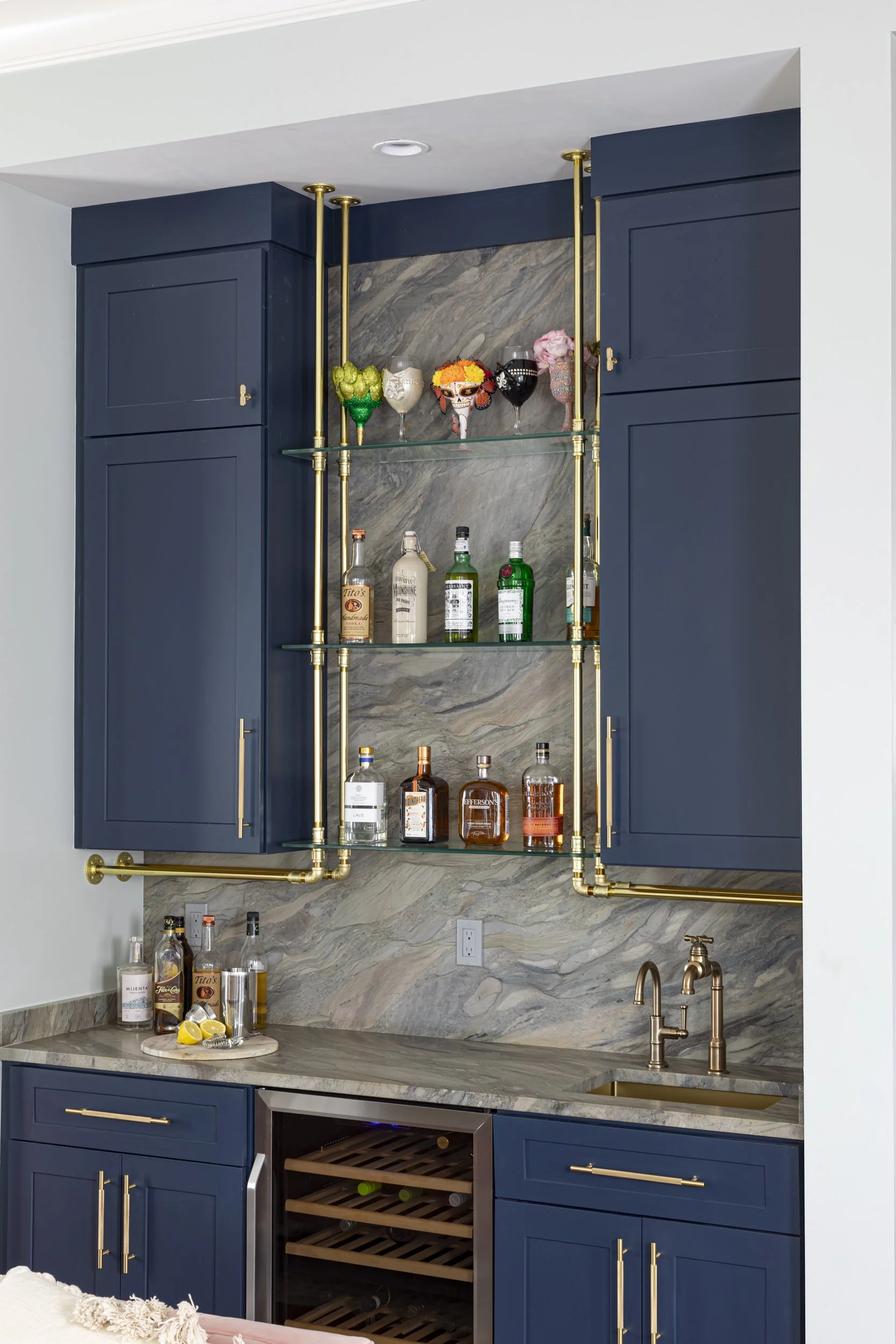
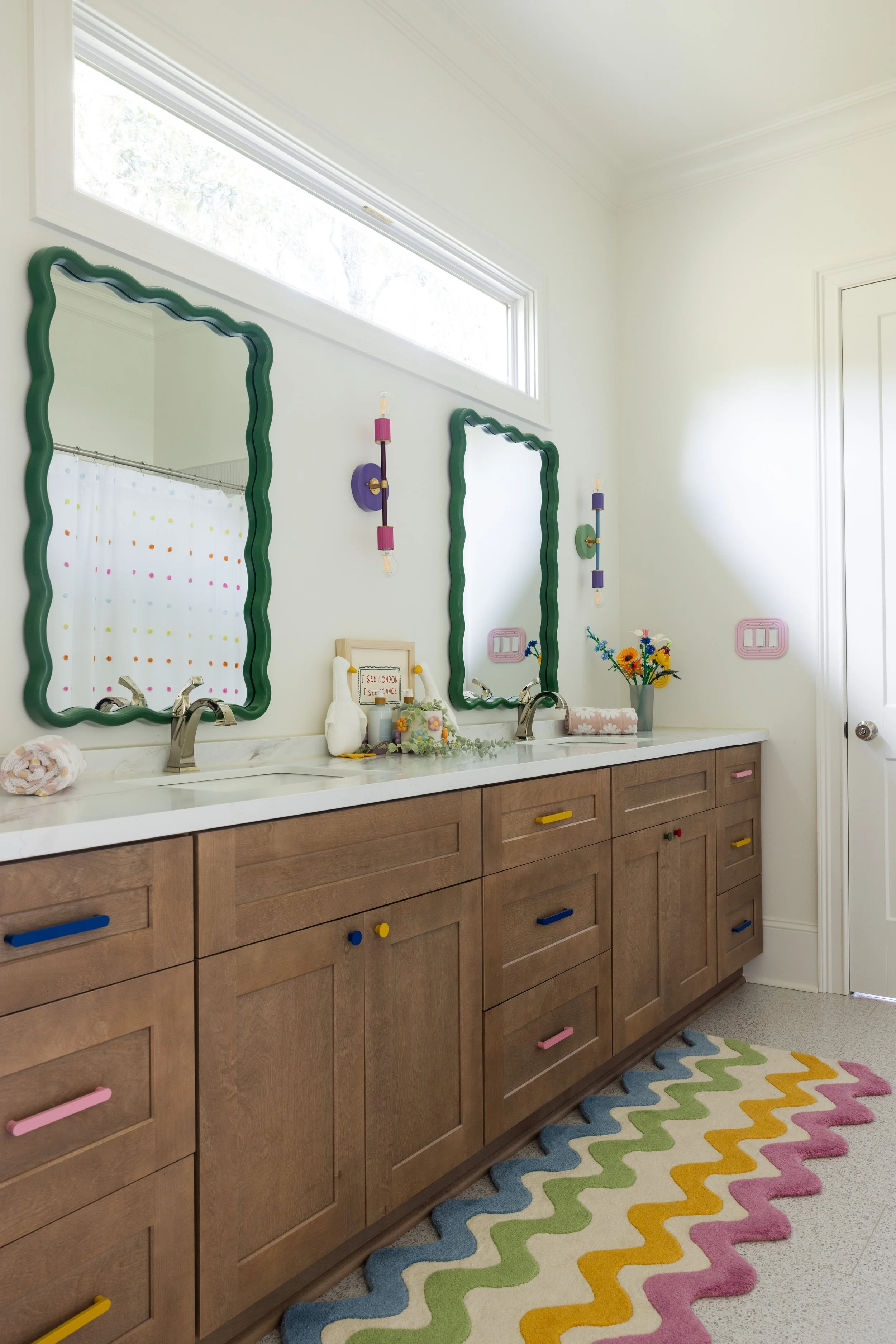
Sometimes it’s a bar that needs LED backlighting to get the drama from their inspiration photo, but the wiring isn’t there. Now the electrician has to come back. Sometimes it’s a bathroom where flipping the toilet would give a much better path to the shower. That means moving pipes, then the vanity, then the ceiling lights or the wiring for sconces. It all adds up.
None of it is a disaster. But it leaves a bitter taste. The client is making a huge investment and realizes the house could have been almost exactly what they pictured, if we had thought about it earlier.
When to call: at the first draft of the plans
The ideal moment is when your architect brings the first draft. That’s when we can work together. The architect makes sure everything is up to code and where it needs to be. I make sure your vision is in the plan: how you cook, where the kids do homework, where the bar goes and how it’s lit.
The goal is simple. By the time the plans are submitted for permit, they should look as close as possible to the finished house.
“I already have an architect.”
Good. You need one. This isn’t about replacing anyone. Interior designers just ask a lot more questions about how each family uses each room, and we think in furniture, shelving and the pieces that will live in the space. So we catch things like blocking in the wall for heavy shelves or a TV before the drywall goes up, so nobody has to open a wall later.
“I have a Pinterest board. I can do this.”
Many of my clients have great taste, and at the beginning it is easy: you pick the flooring and the paint. Then the bathrooms, the built-ins, the tile, the faucets and the hardware all arrive at once, the contractor needs answers this week, and you have a job and a family too. That’s usually when people call me. We can absolutely still work together, but now I have to catch up before we can move forward, and that costs time.
You buy everything once
Working with a designer early means you see the whole house before anything is ordered: a 3D view and real samples side by side, so you know the tile works with the cabinet color and the faucet works with both. You buy things once instead of installing a tile and realizing it doesn’t go.
When it’s part of my service, I also coordinate with the contractor: what finishes are needed on site, and by what date. Materials arrive before they’re needed, trades don’t have to come back for return trips, and the project keeps moving. That saves money and stress for everyone, including your builder. (More on that in why hiring a designer early saves time and money.)
The best part
My favorite moment comes when a client sees an idea they wouldn’t have found on their own, something that came from how they actually live. They get a little giddy. This is different. This is us.
A lot of people are shy about doing what works for them instead of what they think will help resale. But no two families are the same, and a house you’ll live in for years should fit the life you have.
If you’re about to build in New Orleans, Metairie or the Northshore, call me when the first draft of the plans lands. That’s when the small decisions are still free. Begin your project →